Your Tower Crane Isn't Broken. So Why Is Your Project Still Falling Behind?
The crane is running.
The operator is ready.
The hook is hanging free.
Yet your project is still losing valuable hours every week.
This is one of the most common challenges on high-rise construction projects. Many contractors assume project delays are caused by crane breakdowns, but the real issue is often something less obvious tower crane downtime that occurs while the crane is technically operational.
A crane waiting for materials, approvals, or lifting instructions isn't adding value to the project. Meanwhile, site teams, subcontractors, and equipment remain idle, creating a chain reaction that affects productivity, labour costs, and construction schedules.
For EPC contractors and project managers, improving crane performance isn't always about buying a larger crane or increasing lifting capacity. It's about identifying the operational bottlenecks that quietly consume productive hours every day.
In this guide, we'll explore the hidden reasons construction projects lose time, how experienced project teams improve tower crane productivity, and the practical steps that help keep lifting operations moving efficiently from foundation to handover.
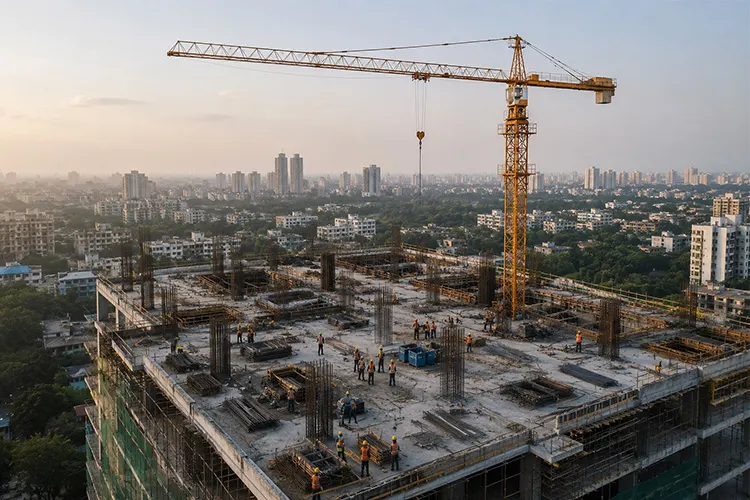
When project teams discuss downtime, mechanical breakdowns usually receive most of the attention.
However, on many construction sites, the biggest loss of productivity comes from waiting.
The crane is ready, but:
Each interruption may only last a few minutes, but together they can remove hours of productive lifting every week.
Experienced site managers reduce this type of downtime by preparing the next load before the current lift is completed. This simple change keeps the crane moving instead of waiting and significantly improves daily lifting output.
Many of these delays can also be avoided during the early planning stage, when crane location, lifting zones, and material flow are coordinated before construction begins.
Not every tower crane is suitable for every project.
A crane that performs efficiently on a 20-storey residential building may struggle on a larger commercial development with longer lifting distances, heavier loads, or restricted site conditions.
Unfortunately, many crane selection decisions are based primarily on availability or rental cost rather than long-term project requirements.
Before choosing a crane, experienced contractors evaluate factors such as:
Selecting the right crane specification from the beginning helps reduce unnecessary downtime throughout the project lifecycle.
For long-duration projects, many developers compare available tower cranes for sale to match crane capacity with future project demands and improve long-term equipment utilisation.
For shorter construction schedules or project-specific requirements, evaluating tower crane rental solutions often provides greater flexibility while reducing upfront investment.
Most tower crane failures don't happen without warning.
Small issues often develop gradually over weeks before they stop lifting operations completely. A worn wire rope, irregular slewing movement, hydraulic leaks, or brake wear may seem minor during daily work, but ignoring these early signs can result in unexpected shutdowns when the crane is needed most.
Unfortunately, many construction sites still follow a reactive maintenance approach repairing equipment only after a problem occurs. This not only increases repair costs but also disrupts the entire construction schedule.
Leading EPC contractors minimize these risks through preventive inspections based on crane operating hours rather than waiting for visible failures. Routine checks of critical components, lubrication schedules, and maintenance records help keep lifting operations consistent throughout the project.
The goal isn't simply to avoid breakdowns, it's to prevent downtime before it affects project productivity.
Modern tower cranes rely on intelligent safety systems to improve lifting operations. However, when these systems are poorly configured, they can create unnecessary interruptions instead of preventing them.
Common examples include:
When operators repeatedly experience false alarms, they gradually lose confidence in the system. This reduces its effectiveness during genuine high-risk lifting operations.
On complex high-rise projects where multiple cranes operate simultaneously, many contractors now use integrated Anti-Collision Devices and Safe Load Indicators instead of treating them as separate safety tools. Proper calibration and system integration improve operator confidence, reduce lifting interruptions, and support safer crane coordination across the site.
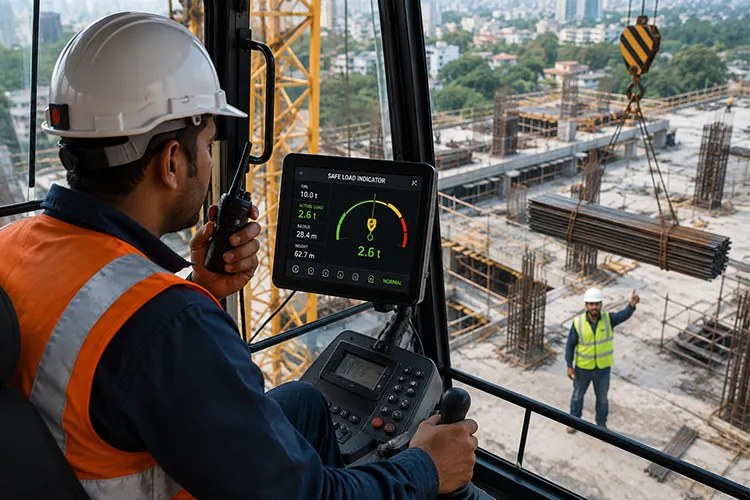
A tower crane can only work as efficiently as the materials arriving beneath it.
One of the most overlooked causes of crane downtime isn't mechanical, it's logistics.
Site teams often experience delays because:
In these situations, the crane remains operational but spends valuable time waiting instead of lifting.
Experienced project teams solve this by treating material logistics as part of crane planning rather than a separate activity. Daily lifting schedules, designated staging areas, and better coordination between procurement, logistics, and site engineers help maintain a continuous flow of materials.
The result isn't a faster crane,it's a more productive construction site.
On one residential high-rise project, the project team initially believed the tower crane was underperforming because lifting targets were consistently missed.
A review of the daily lifting log told a different story.
The crane itself was available for almost the entire shift, but it spent long periods waiting for reinforcement cages, shuttering panels, and concrete buckets to reach the loading area.
Instead of upgrading the crane, the contractor reorganised material staging zones, assigned fixed lifting windows to subcontractors, and improved communication between logistics and crane operators.
Without changing the equipment, daily lifting productivity improved noticeably because the crane spent less time waiting and more time moving materials.
This highlights an important lesson: improving tower crane productivity often starts with better site coordination rather than larger equipment.
Weather is one of the few factors contractors cannot control. However, how lifting operations are planned around weather conditions can make a significant difference to project productivity.
Strong winds, heavy rain, and poor visibility often require crane operations to stop temporarily. The real problem begins when no alternative lifting plan exists.
When departments work separately, cranes often become the project's biggest bottleneck.
Leading EPC contractors now integrate crane planning directly into construction scheduling so lifting capacity aligns with concrete pours, reinforcement delivery, formwork movement and façade installation.
This coordinated approach is becoming increasingly common in large commercial and infrastructure developments across India.
Many contractors carefully plan crane installation but give little attention to how the crane will be removed once the structure reaches its final height.
This oversight often creates unnecessary delays near project completion.
Late dismantling planning can lead to:
On high-rise developments, many project teams now include the dismantling strategy during the initial crane planning stage instead of waiting until the building tops out.
Where rooftop lifting continues after the main structure is complete, contractors often evaluate derrick crane solutions to simplify dismantling operations and safely handle materials in confined spaces.
Planning the complete lifting lifecycle from installation to dismantling helps avoid expensive last-minute decisions.
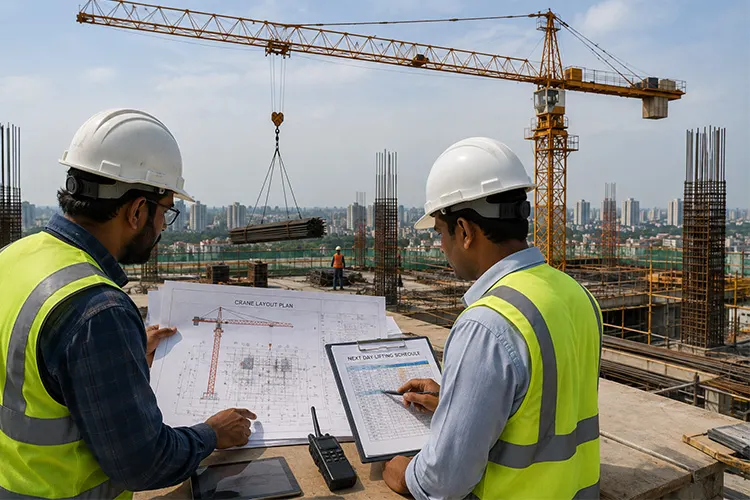
Before tomorrow's lifting operations, ask your project team:
A simple daily review like this can prevent hours of avoidable downtime over the course of a project.
Tower crane downtime refers to any period when the crane cannot perform planned lifting operations because of maintenance, planning issues, waiting time, weather conditions, or site coordination problems.
In many high-rise projects, the biggest cause is not mechanical failure. Poor material planning, inefficient logistics, changing lifting priorities, and waiting for prepared loads often reduce crane productivity more than equipment breakdowns.
Improving crane productivity starts with better planning. Coordinating material flow, scheduling preventive maintenance, reducing waiting time, integrating safety systems, and selecting the right crane for the project all help maximize productive lifting hours.
Yes. Planning for dismantling during the early stages of a project helps avoid costly delays, especially on high-rise buildings where rooftop lifting continues after structural work is complete.