Tower crane stability is not determined by the crane structure alone. It depends on how the crane is founded, supported, tied to the building, configured and operated as construction progresses. A crane that is correctly planned for the initial site conditions may face different structural demands as the building gains height, the crane is climbed or surrounding site conditions change.
For EPC contractors and project teams, stability planning must therefore begin before crane installation and continue throughout its operating life.
The critical areas to review include foundation capacity, supporting structures, tie-in arrangements, climbing operations, wind conditions and the crane manufacturer's configuration requirements. Missing one of these considerations can affect the stability of the complete installation.
A tower crane experiences several forces during operation. These include the weight of the crane structure, lifted loads, movements during slewing and trolley travel, and environmental forces such as wind.
These forces are transferred through the crane's mast and supporting arrangement to the foundation or building structure. The complete system must be capable of resisting the loads and moments associated with its approved configuration.
The challenge for project teams is that the installation does not remain unchanged.
As construction progresses:
This is why tower crane stability should be treated as a continuing engineering and site-management responsibility, rather than a one-time installation check.
The foundation transfers the crane's loads into the supporting ground or engineered foundation structure. Its suitability is essential to the stability of the complete crane installation.
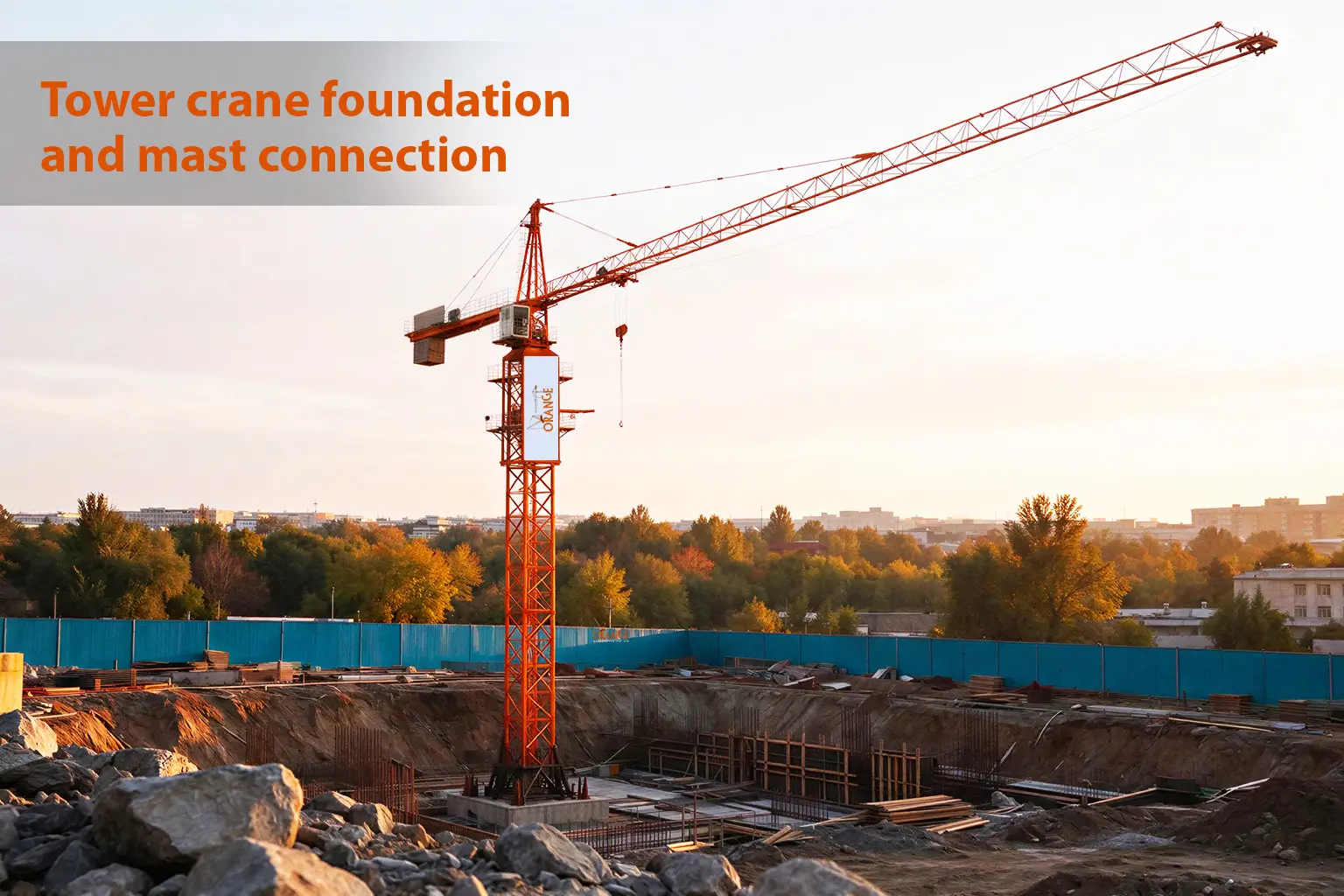
Before installation, the project and engineering teams should review :
A foundation that appears substantial is not automatically suitable. Its adequacy must be established through engineering calculations and verified site conditions.
On tall construction projects, a tower crane may require structural ties to the building to support the crane at the specified height and configuration.
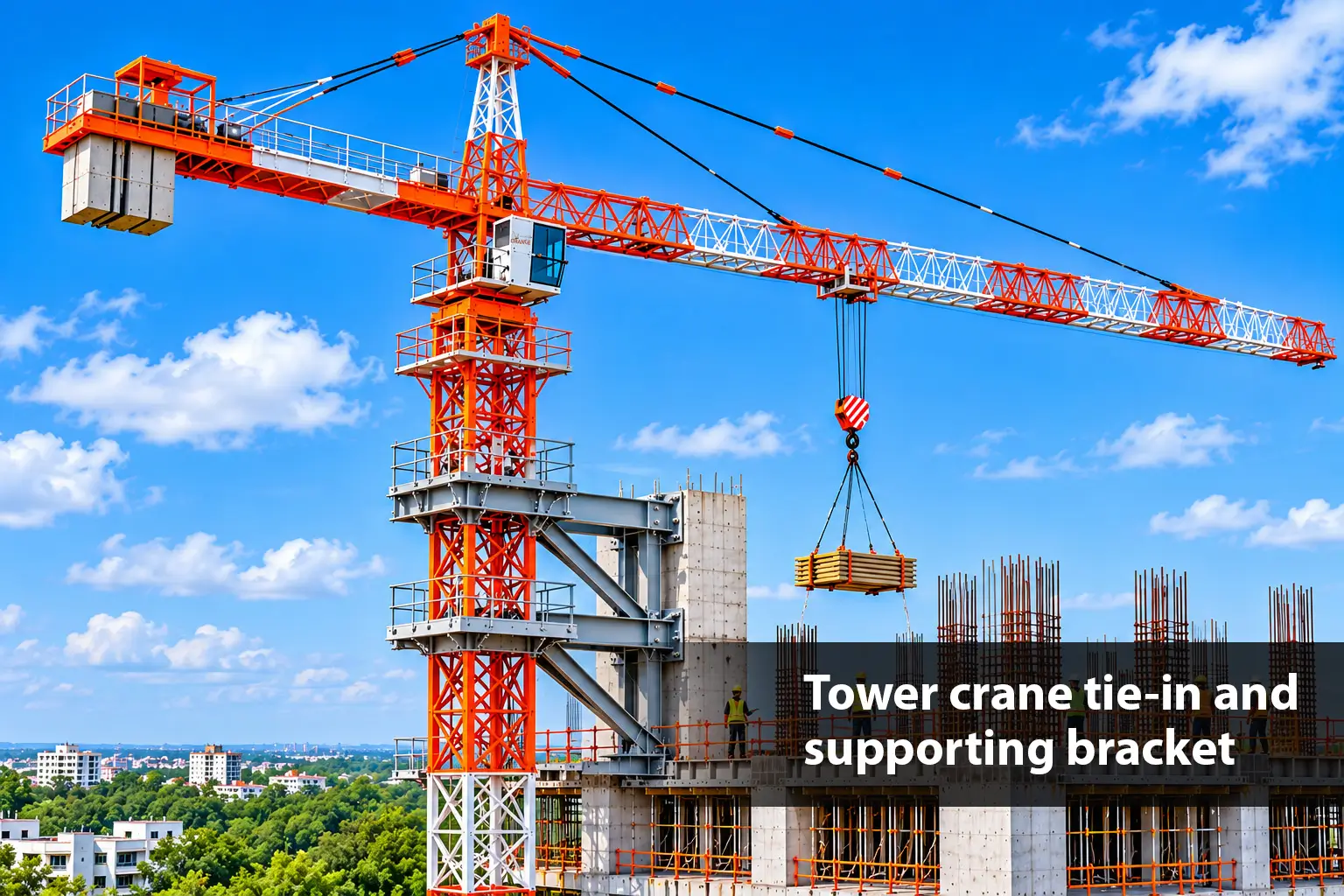
These ties transfer forces between the crane mast and the supporting building structure. Their arrangement, spacing and connection details must follow the crane manufacturer's requirements and the approved engineering design.
EPC teams should pay particular attention to:
A tower crane supporting bracket is not simply an attachment between the crane and the building. It is part of a structural load-transfer arrangement.
Late coordination between crane installation teams and building structural engineers can create avoidable delays. Tie-in requirements should therefore be considered during crane positioning and construction planning, not after the building has already advanced.
Climbing allows a tower crane to increase its working height as the building progresses. However, the process changes the crane's structural configuration and must be carefully controlled.
The climbing frame and associated equipment must be compatible with the crane model and the approved climbing arrangement. The building must also be ready to provide the required support at the specified stage.
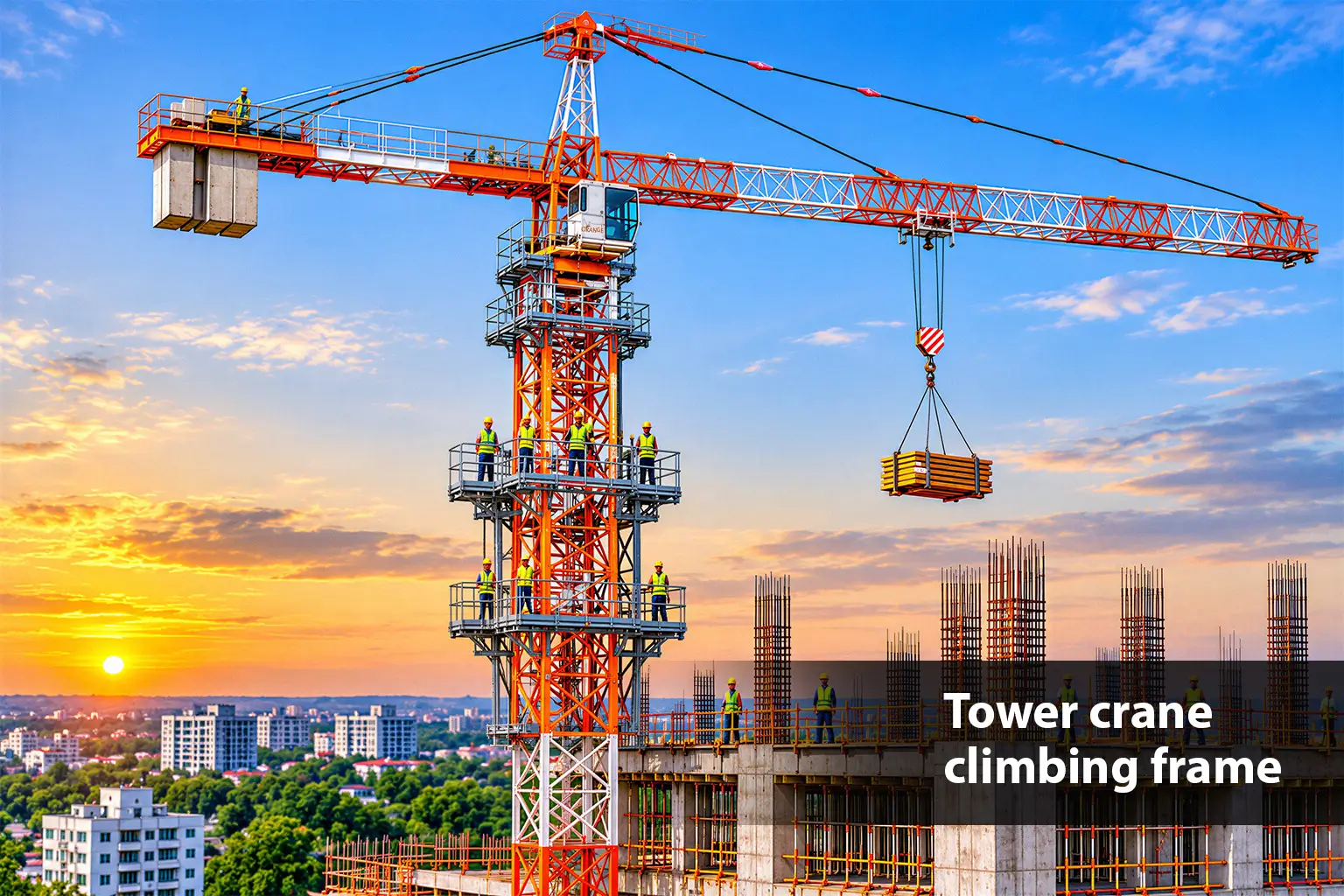
Before a climbing operation, the responsible team should verify :
Climbing should never be treated as a routine height adjustment. It is a controlled engineering operation in which temporary configurations and support conditions matter.
Wind is an important consideration in tower crane stability, both during lifting operations and when the crane is not working.
Wind forces act on the crane structure and can become particularly significant at greater heights or in exposed locations. Nearby buildings, open areas and the developing structure can also influence local wind conditions.
Project teams should review :
Lifting operations must remain within the wind limits specified by the crane manufacturer and the approved operating procedure.
The crane must be placed in the prescribed out-of-service condition when operations stop. The required jib, trolley and other arrangements depend on the crane model and manufacturer instructions.
Wind conditions should be monitored using suitable equipment and site procedures. Decisions to stop lifting must follow the applicable limits, not informal judgement.
As nearby structures rise, the site's exposure and airflow conditions may change. These changes should be considered during ongoing crane planning.
Wind limits and out-of-service instructions are model-specific. Project teams should never assume that the same procedure applies to every tower crane.
Stability planning becomes more effective when responsibilities are clearly assigned and checks are documented.
| Project stage | Important checks |
|---|---|
| Before installation | Ground investigation, foundation design, crane configuration and manufacturer reactions |
| During foundation construction | Reinforcement, concrete, anchorage, dimensions and level |
| During erection | Mast sections, connections, alignment and approved installation sequence |
| During building progression | Tie positions, supporting brackets and structural readiness |
| Before climbing | Climbing frame, support conditions, weather and approved procedure |
| During operation | Configuration, wind monitoring, inspections and operating limits |
| Before dismantling | Approved dismantling sequence, support conditions and site access |
The project team should also maintain the relevant design approvals, inspection records, installation documents and manufacturer instructions. Any change to the crane configuration, support arrangement or operating conditions should be reviewed by the responsible competent engineering team before implementation.
Some stability-related problems begin with coordination gaps rather than an obvious equipment defect.
If the building structure is not ready when the crane requires additional support, the project may face installation or construction delays.
Erection, climbing and dismantling involve configurations that differ from normal operation. These stages need their own approved procedures.
Changes to jib arrangement, height, support conditions or operating requirements must be assessed before implementation.
A connection that looks secure is not proof that the complete support arrangement has adequate structural capacity. Engineering verification and required inspections remain essential.
Tower crane stability depends on the complete installation, not an individual component. Foundation conditions, structural ties, supporting brackets, climbing arrangements, wind exposure and operating configuration must work together within the crane's approved design limits.
For EPC contractors, the most effective approach is to coordinate crane requirements with the building's structural design from the planning stage and continue verifying them as the project develops.
When evaluating a tower crane for a construction project, teams should consider its intended height, lifting requirements, foundation arrangement, tie-in requirements and site constraints together. Reviewing these factors early helps reduce avoidable changes and supports safer, more predictable crane deployment.
Planning a tower crane installation? Review Orange Machine Tech's tower crane solutions and discuss the project requirements, configuration and site conditions with the technical team.
Tower crane stability is affected by foundation conditions, crane configuration, mast height, structural ties, supporting arrangements, wind forces and the loads and movements associated with crane operation.
Ties connect the crane mast to the building structure when the crane's approved height and configuration require additional support. Their design and installation must follow the manufacturer's requirements and the building's structural assessment.
A supporting bracket forms part of the connection arrangement between the crane and the building. It transfers the specified forces through the designed connection into the supporting structure.
Climbing changes the crane's configuration and support conditions. The climbing frame, building support, ties, weather conditions and approved climbing procedure must all be checked before the operation.
Yes. Wind continues to act on the crane when it is out of service. The crane must be placed in the manufacturer-prescribed out-of-service configuration and managed according to the applicable wind limits and site procedures.