Passenger hoist rental decisions on Indian construction sites are no longer driven only by availability or headline pricing. For EPC contractors, project heads, and infrastructure developers, the focus has shifted toward capacity reliability, safety readiness, and lifecycle performance under site conditions.
As projects become taller, denser, and more time-sensitive, vertical transport failures directly impact productivity, safety audits, and completion timelines. This is why demand for passenger hoists on rent has increased sharply across metro, high-rise residential, commercial, and industrial projects, especially in urban centres like Mumbai, Pune, Delhi NCR, and Bengaluru.
However, rental cost is best understood through the factors that drive it, rather than as a fixed price. What matters is how rental pricing aligns with site requirements, hoist capacity, safety systems, and long-term reliability. This guide breaks down how EPCs should evaluate passenger hoist rental cost, selection criteria, and performance expectations, without oversimplifying a decision that directly affects site operations.
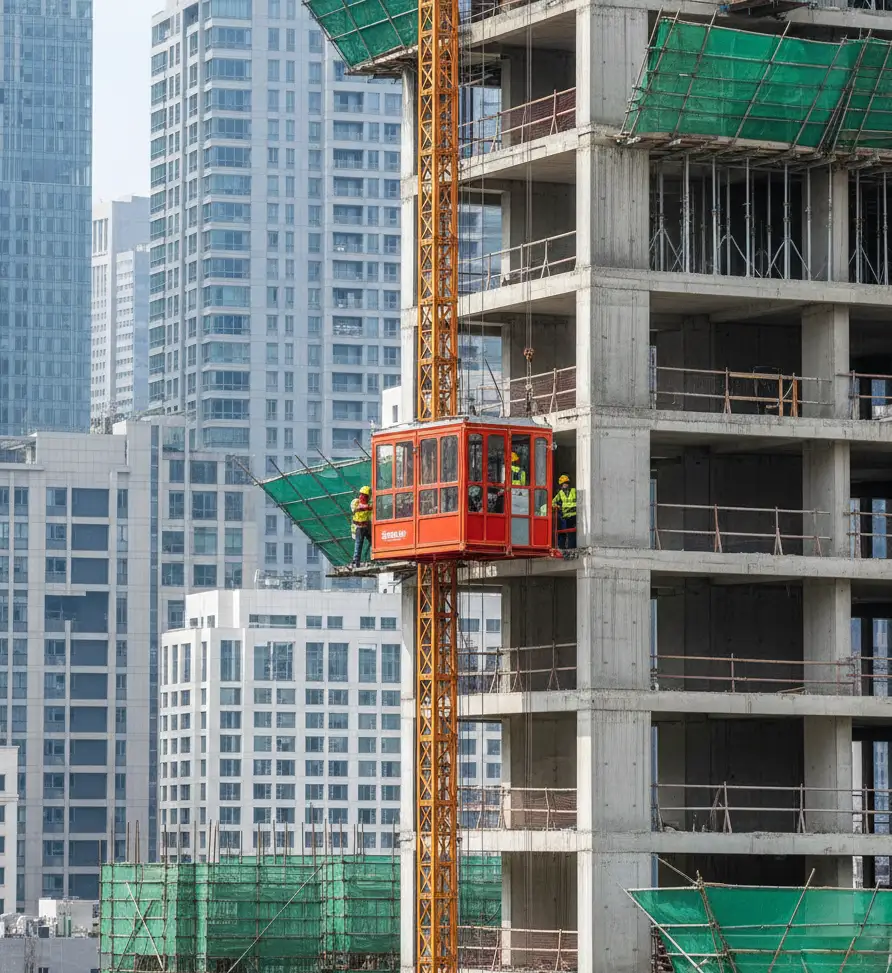
EPC contractors rarely rely on fixed rental figures during early planning. Instead, rental cost is estimated by mapping capacity, height, project duration, and safety requirements against site productivity goals.
This approach allows teams to compare rental options based on value delivered per shift, rather than headline monthly pricing, especially on high-rise and multi-trade construction sites.
Capacity is the primary cost driver. A 1-ton passenger hoist serves low-rise or early-stage construction, while 2-ton systems, such as SC200-class hoists, are increasingly preferred for high-rise and multi-trade sites where manpower and material movement overlap.
Higher capacity hoists:
These benefits often offset higher rental costs through operational efficiency.
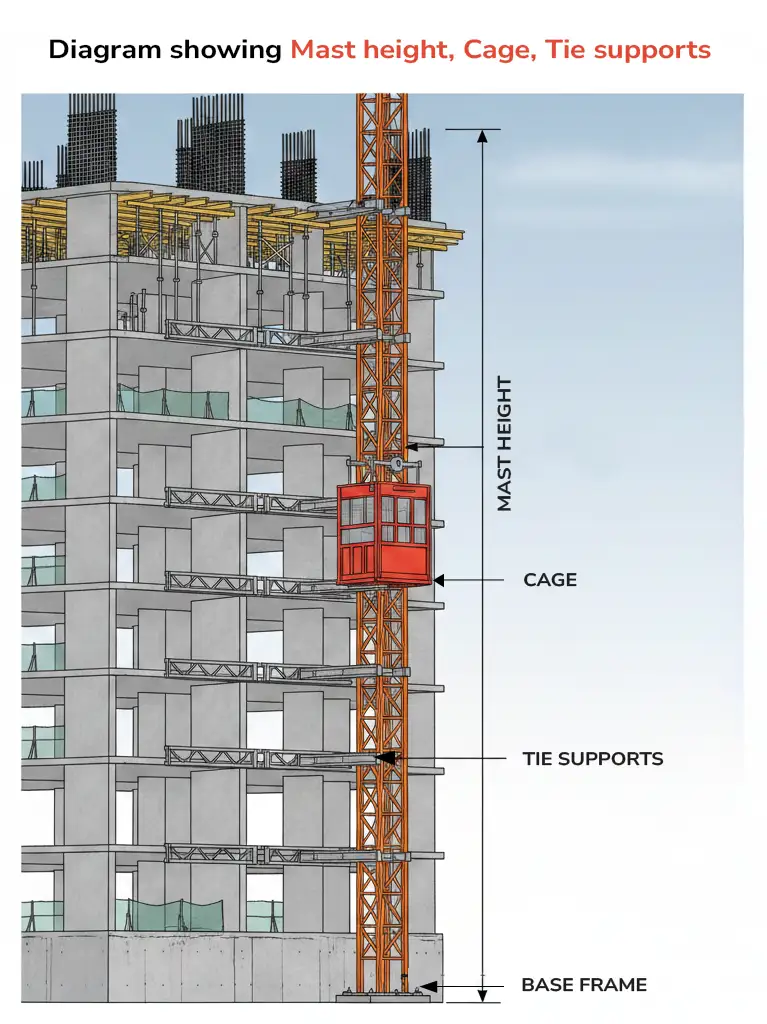
Rental cost increases with:
Projects with frequent façade offsets, podium levels, or structural setbacks require additional mast planning, which directly affects rental configuration and logistics.
Short-term rentals may carry higher monthly rates, while long-duration EPC projects benefit from optimized rental structures. More importantly, duty cycle intensity matters:
Hoists designed for sustained load cycles deliver better uptime than lighter configurations used beyond their design envelope.
Modern passenger hoist rental demand is increasingly influenced by audit and compliance expectations. Systems equipped with:
reduce inspection friction and site risk. While such systems may appear costlier upfront, they often lower indirect costs related to stoppages, corrective actions, and compliance delays.
Urban projects face additional considerations:
Rental cost may include site-specific installation planning, commissioning support, and ongoing technical assistance, critical for congested zones.
Renting passenger hoists is not merely a budget decision, it is a risk management strategy.
Renting is typically preferred when:
For many EPCs, rental allows access to higher-specification hoists without locking capital into assets that may not suit future projects.
For EPCs evaluating short-term or phase-based requirements, reviewing available passenger hoist rental configurations helps align capacity, height, and safety needs with project timelines.
Beyond rental cost, selection should focus on performance reliability under real site conditions.
Overcrowding or under-capacity hoists lead to:
Choosing a capacity aligned with peak manpower movement, not average usage, improves safety and productivity.
Hoists operating in coastal or high-humidity regions benefit from:
These features directly affect long-term rental reliability and inspection outcomes.
Modern passenger hoists increasingly include:
These features reduce misuse, improve accountability, and speed up troubleshooting, critical on high-pressure EPC schedules.
Recent deployments of SC200 (2-Ton, 1 Cage) passenger hoists on Mumbai project sites reflect a broader industry shift toward high-capacity, safety-loaded rental systems.
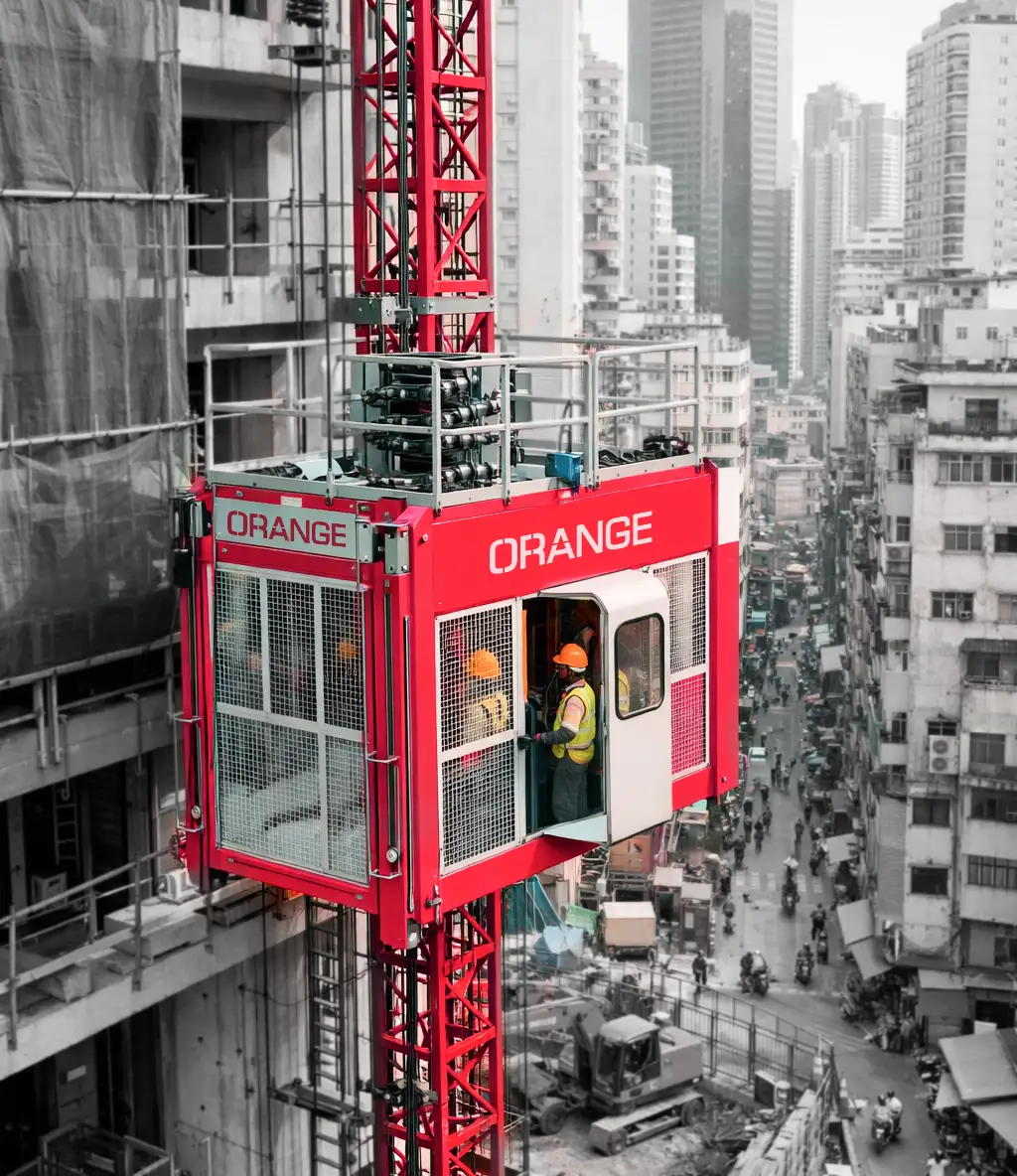
Key configuration characteristics include:
Such configurations are increasingly selected not just for lifting capacity, but for predictable performance across long-duration projects.
This shift highlights how EPCs are prioritizing operational reliability over minimum compliance when selecting passenger hoists on rent.
Passenger hoist incidents rarely result from missing equipment. They occur due to:
Rental hoists with integrated safety systems and documented commissioning reduce:
On large EPC sites, audit readiness directly affects project momentum, making hoist quality a commercial concern, not just a safety one. Many audit observations stem from recurring safety gaps already documented across Indian construction sites, particularly in relation to passenger hoist usage discipline and compliance failures.
Projects that deploy correctly specified rental hoists report:
These gains translate into measurable schedule advantages, especially on vertical-intensive builds.
Many EPCs evaluate passenger hoist rental after considering:
Each of these aspects is explored in greater detail across related guides on passenger hoist safety, rental preparation, and high-rise applications, forming a complete decision framework rather than isolated checklists.
Most EPCs prefer 2-ton passenger hoists for high-rise construction to manage peak manpower and material overlap safely.
Yes. Logistics, access constraints, and support availability influence rental structuring across regions.
Quality rental systems include inbuilt safety devices, diagnostics, and compliance documentation.
Yes. Mast height, tie intervals, and control features are typically configured based on site conditions.
For project-based operations, renting provides flexibility, access to higher specs, and reduced capital exposure.
Passenger hoist rental decisions should not be reduced to headline pricing. Capacity alignment, safety readiness, installation discipline, and long-term reliability determine whether a hoist supports or hinders project performance.
As Indian construction projects scale vertically and operational pressure increases, well-specified rental hoists have become strategic assets rather than temporary equipment.
Choosing the right passenger hoist on rent is no longer about availability, it is about ensuring uninterrupted, compliant, and efficient vertical transport throughout the project lifecycle.
EPC teams planning manpower movement for high-rise or infrastructure projects can evaluate rental availability, capacity options, and site-specific configurations based on current project timelines.