Cranes for construction are no longer selected on lifting capacity alone. For EPC contractors, developers, and project planners, the decision now affects productivity curves, safety exposure, logistics feasibility, and audit outcomes across the entire build cycle.
As Indian projects grow taller, denser, and more schedule-driven, a poorly matched crane setup can slow workforce movement, create airspace conflicts, and trigger cascading delays that cost far more than the equipment itself.
The conversation has shifted.
It is no longer Which crane is available? Which crane configuration will keep the project predictable?
This guide explains how experienced EPC teams evaluate cranes for construction, how they align machine capability with site constraints, and why smarter planning upfront prevents expensive corrections later.
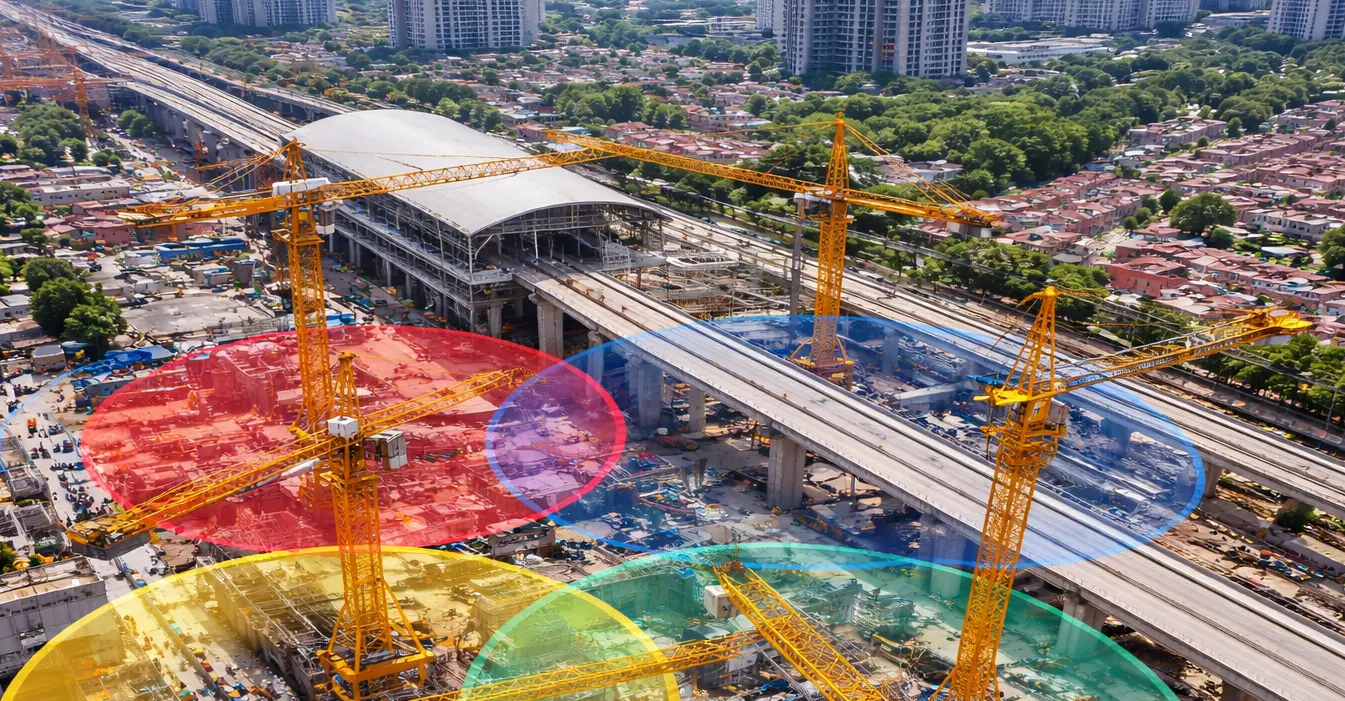
Earlier, cranes were treated as enabling equipment. Today, they influence:
One mismatch in radius, height progression, or zoning can force re-planning across multiple trades.
That is why mature project teams treat crane planning as an engineering decision, not procurement.
Modern sites rarely operate with a single lifting variable. They face:
So when EPCs evaluate cranes for construction, they are really designing a lifting ecosystem.
This ecosystem may include:
The objective is simple → keep movement continuous without conflict.
Match crane geometry with site density
In open layouts, flat-top or hammerhead configurations may work efficiently.
In high-congestion urban projects, especially near property lines or aviation restrictions, luffing jib cranes often become the practical solution because variable jib movement allows tighter control of airspace
This is one of the biggest changes happening in metro cities.
Planners are moving toward vertical control, not just horizontal reach.
A crane that fits day one may fail by month eight.
EPC teams therefore examine:
Thinking only about early-stage lifting usually leads to expensive later modifications.
Rated load matters. But real planning focuses on:
A crane operating below capacity but reducing idle time may outperform a higher-rated unit.
From site reviews and contractor feedback, recurring issues include:
The result? Repositioning, downtime, regulatory pressure, and friction between teams.
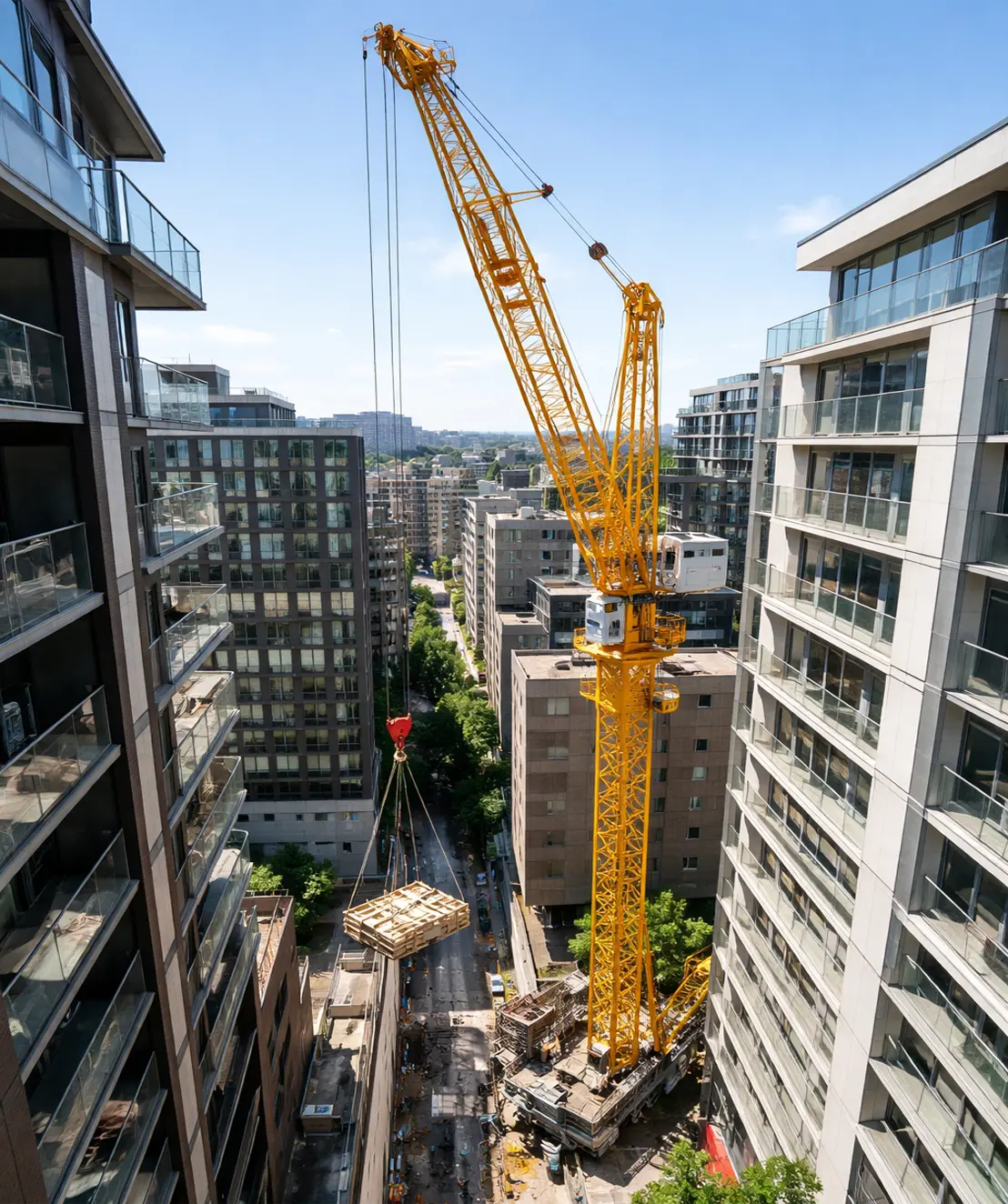
On premium urban plots, horizontal swing space is limited. Adjacent towers, roads, or rail corridors restrict movement.
Luffing cranes allow:
For developers and EPCs working in Mumbai, NCR, Pune, Bengaluru and similar cities, this has shifted from optional to necessary.
Several metro projects in India have already moved toward luffing configurations where overlapping swing once limited operations.
Teams planning such environments typically evaluate available luffing tower crane configurations early to avoid redesign later in the project
Crane planning is incomplete without risk visibility.
Modern project audits increasingly ask:
This means cranes are assessed not only on steel and motors, but on how intelligently they operate within a busy site.
Projects that integrate monitoring layers early experience fewer interruptions and smoother approvals.
Procurement often prioritizes:
Project leadership prioritizes:
When these viewpoints are not aligned, sites inherit constraints they must live with for years.
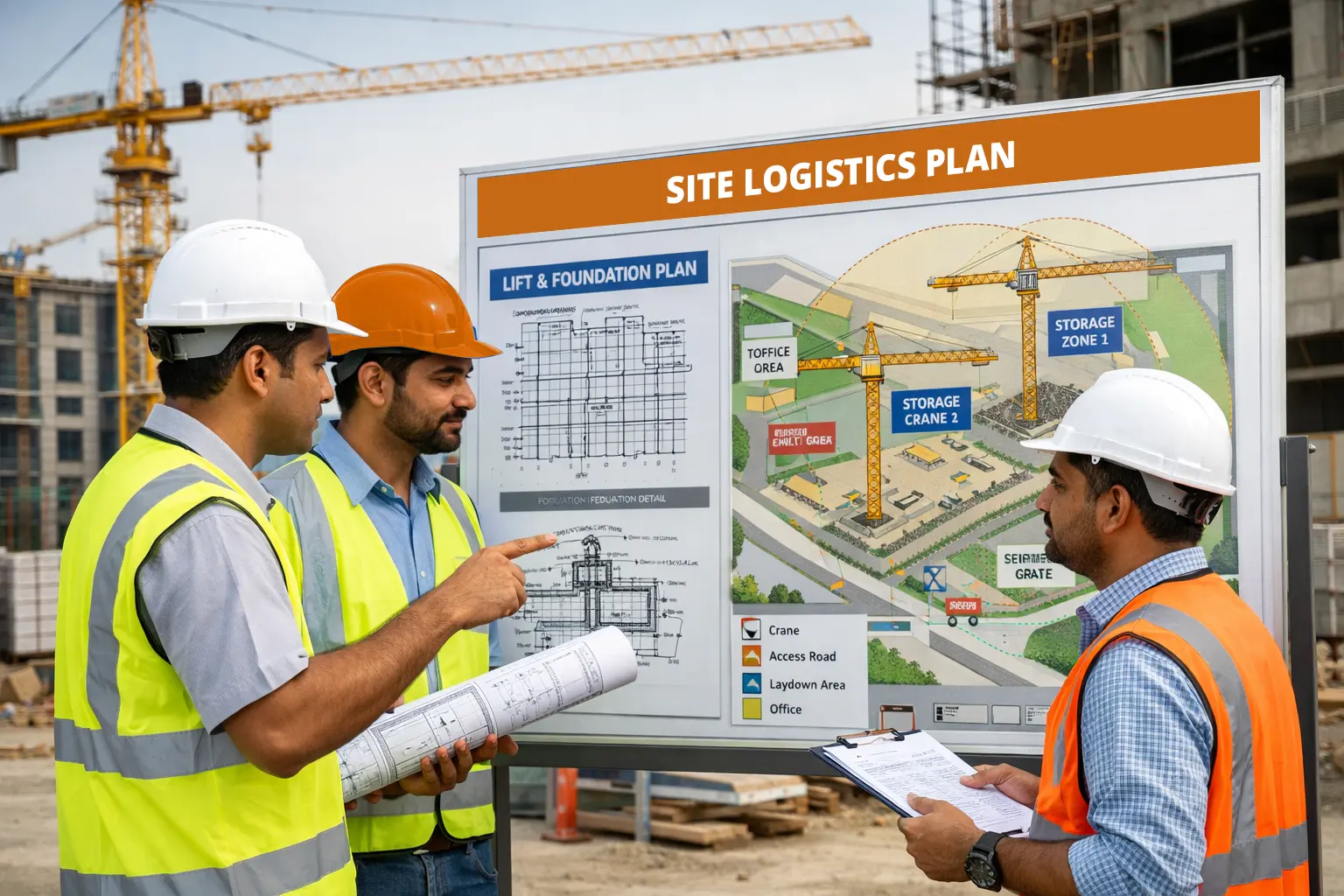
They typically review:
Because once installed, changing cranes is rarely simple.
Compressed timelines magnify every inefficiency.
Even small disruptions in lifting rhythm can:
This is why crane choice is increasingly tied to schedule assurance, not just lifting.
This is one reason EPCs increasingly prefer working with manufacturers who design, supply, and support cranes under a unified engineering framework rather than fragmented vendors. Another evolution in buying behaviour is preference toward suppliers who understand:
Support capability is now weighed almost as heavily as the equipment itself.
When EPCs assess cranes for construction, they want confidence that engineering guidance, spare readiness, and technical response will remain consistent throughout the project lifecycle.
Large projects are moving toward:
Cranes that adapt to these expectations become long-term assets rather than temporary machines.
Well-matched crane strategies often lead to:
This is why top contractors involve lifting specialists during early project design rather than after mobilisation.
Ideally during early engineering and logistics planning. Late decisions limit options and increase modification risk.
Not always, but in dense urban plots or airspace-restricted zones they often provide better operational control.
Mismatch between assumed operating freedom and actual site constraints.
Yes. Monitoring capability, zoning, and documented controls influence audit outcomes.
Possible, but expensive and disruptive. Early planning is far more efficient.
Then say:
Cranes for construction are no longer background infrastructure. They shape the tempo, safety, and financial predictability of modern projects.
Teams that treat crane selection as a strategic engineering exercise consistently outperform those that treat it as equipment sourcing.
In complex construction environments, smarter lifting design is often the quiet advantage behind successful delivery.
Planning an upcoming project or reviewing lifting strategy?
Explore available tower and luffing crane options aligned to urban and high-rise requirements.