Step onto any Indian project site in 2026 and you’ll hear the same sounds: a tower crane slewing in the distance, a hoist rattling up a concrete core, and a supervisor shouting for the next load.
That rhythm, the heartbeat of Indian infrastructure, runs on dependable construction equipment.
At Orange Machinetech, we’ve spent years on those sites, not just selling machines but keeping them alive through monsoon rains, dust, and impossible deadlines. What we’ve learned is simple: contractors don’t buy cranes, they buy uptime.
This guide walks through every major lifting solution we provide, how EPC teams use them, and why a single-source partner can save you weeks on your build schedule.
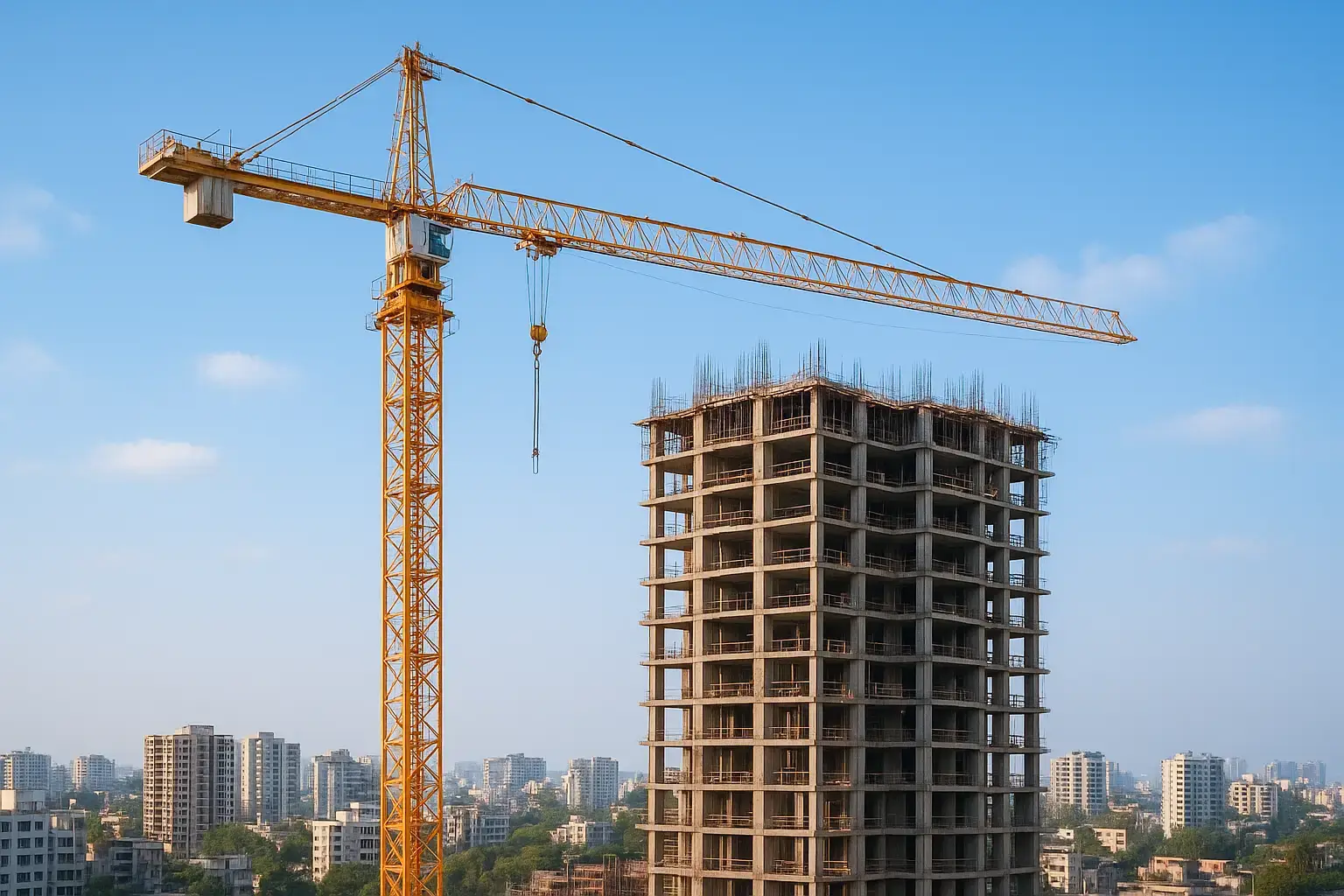
Let’s be honest, no skyline gets built without a tower crane. Whether it’s a 40-storey tower in Gurugram or a riverside project in Hyderabad, these cranes define how fast and how safely a job moves.
Most contractors start with rental units, usually for 12–18 months, and move to ownership once multiple projects run in rotation. Every crane we deploy, sale or rent, arrives load-tested, ISO 9001 : 2015 certified, and comes with a full erection-to-dismantling plan.
Plan preventive maintenance around your concrete pour schedule. One unscheduled bearing failure can stall two shifts of work.
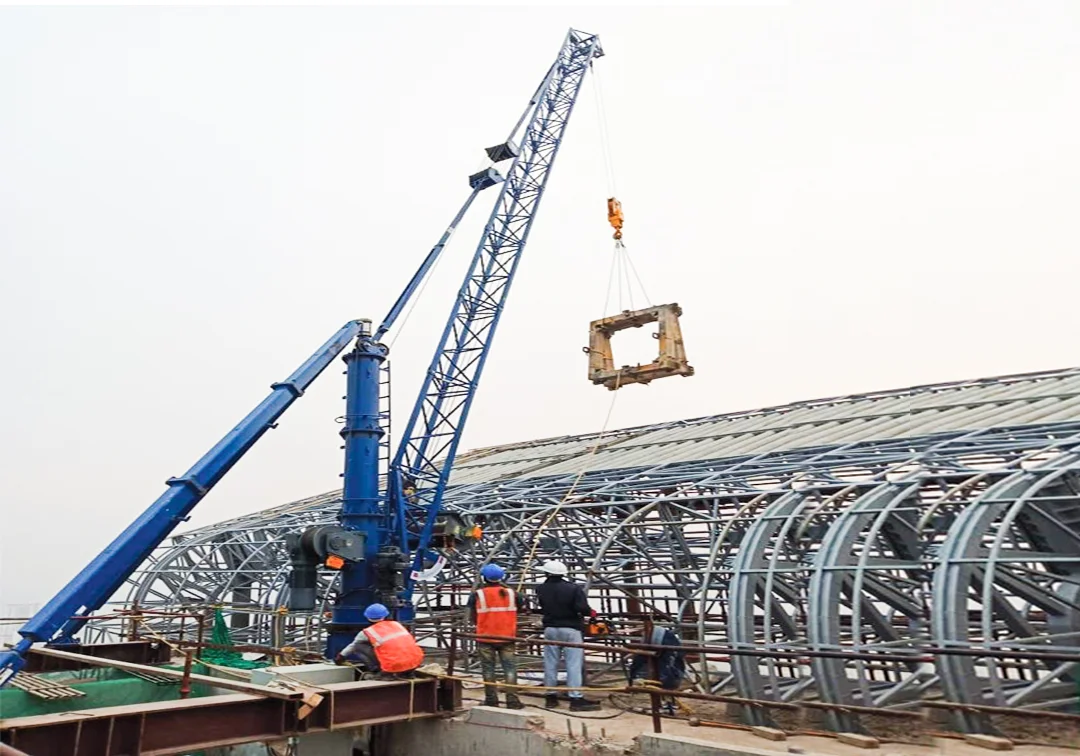
When a tower crane comes down and the mobile crane can’t reach, a derrick crane quietly takes over.
These modular workhorses handle rooftop lifts, HVAC replacements, and shutdown maintenance with precision.
In Chennai, one of our 10-ton units recently replaced a 20-ton mobile crane setup. Mobilization dropped by 60 %, cost by 30 %, and the client finished two days early.
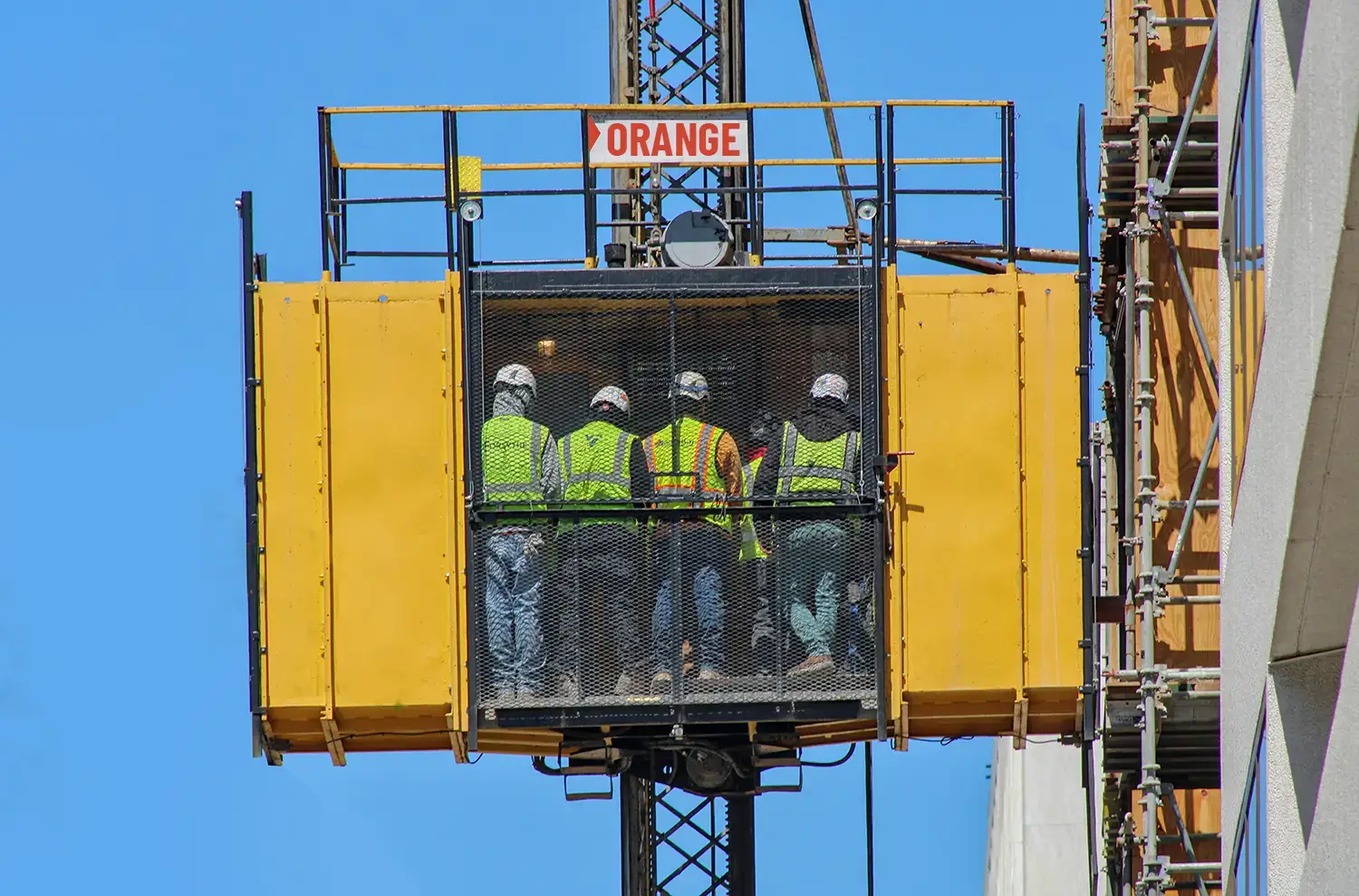
On tall sites, productivity often rides inside a construction hoist.
Faster, safer vertical movement means faster cycles of steel, shutter, and concrete.
Short project? Rent one.
Running multiple towers? Own it, ROI appears within two projects.
Check rack-and-pinion lubrication weekly. Most stoppages begin with a dry gear.
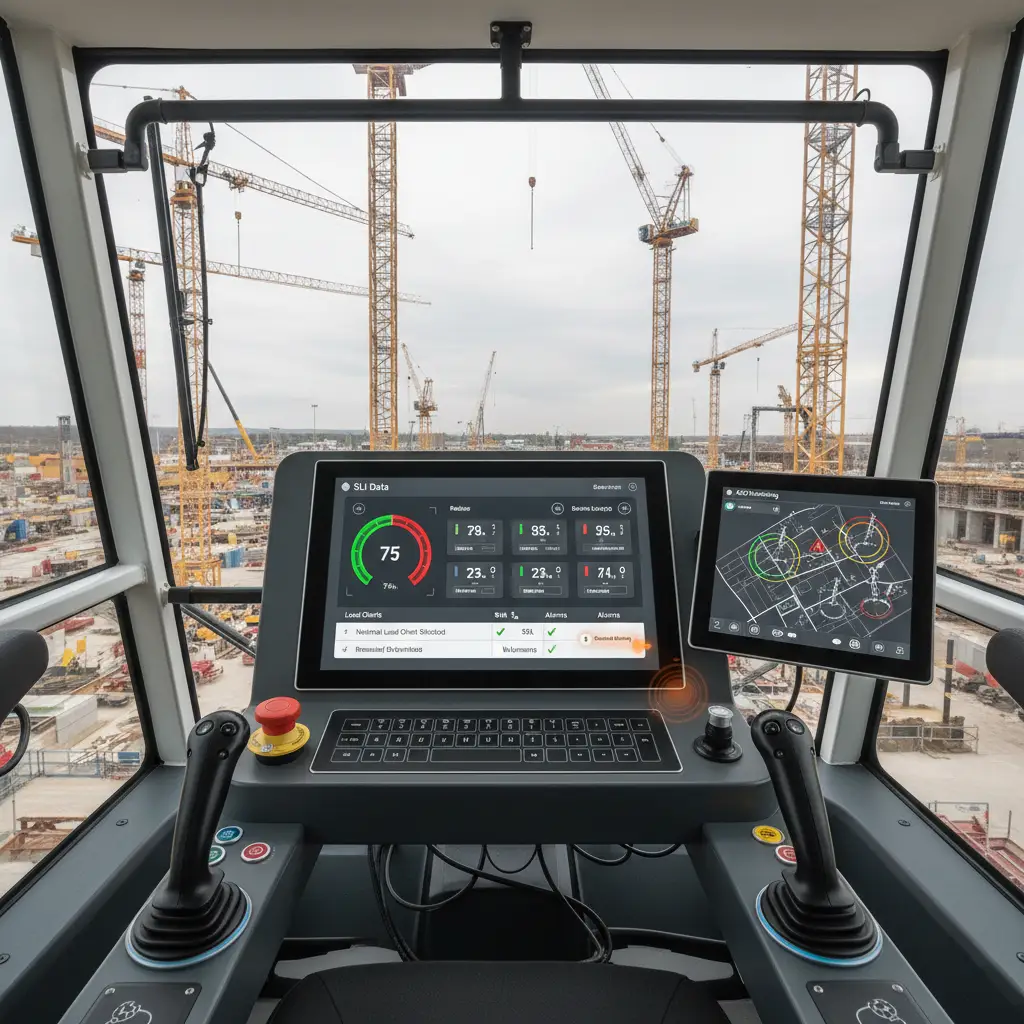
Accidents rarely come from bad luck, they come from blind spots. That’s why our Anti-Collision Devices (ACD) and Safe Load Indicators (SLI) are now standard across metro and refinery projects.
Learn More About Crane Safety Systems
Every engineer knows, machines fail when they’re ignored. Our workshops handle everything from a small gear-oil leak to full structural rebuilds.
Track load cycles in your AMC logs. 70 % of failures give signs weeks before the actual breakdown.
When deadlines tighten, the only partners that matter are those who show up with spanners at 6 a.m., not just spreadsheets. That’s what our clients value most.
During the corridor extension, our tower and derrick cranes, equipped with ACDs, achieved 98% uptime even through monsoon delays. That project later became the city benchmark for planned lifting operations.
If you’re managing the next high-rise, refinery shutdown, or metro line, let’s plan your lifts before the first pour. Our engineers can help match the right crane, safety setup, and AMC schedule for your project.