How to Choose a Tower Crane Supplier in India (2026): 7 Checks Every EPC Must Do
30 Dec 2025
Large construction projects fail more often due to supplier decisions than design errors. For EPC contractors, choosing the right tower crane supplier in India directly impacts project timelines, site safety, and overall profitability.
With multiple tower crane dealers, manufacturers, and rental providers in the market, making the wrong choice can lead to delays, downtime, and cost overruns. This guide is written specifically for EPCs, infrastructure contractors, and project managers
who want to evaluate tower crane suppliers with clarity and confidence.
The 7 Checks Every EPC Must Do Before Finalizing a Tower Crane Supplier
Match crane type to site constraints
Confirm sale and rental flexibility
Verify safety compliance and certifications
Check installation and commissioning support
Assess local service and spare availability
Evaluate lifecycle cost, not just price
Clarify responsibility during breakdowns
Why Tower Crane Supplier Selection Matters for EPC Projects
A tower crane is not just equipment, it is a critical project dependency.
The right supplier ensures:
On-time installation
Certified safety compliance
Reliable spare parts
Technical support during peak construction phases
The wrong supplier can:
Delay slab cycles
Increase idle labor cost
Cause repeated shutdowns due to breakdowns
Create safety and compliance risks
That is why EPCs must evaluate capability, not just price, when selecting a tower crane supplier.
Step 1: Understand the Types of Tower Cranes a Supplier Can Provide
Before comparing suppliers, EPCs must ensure the lifting equipment type matches the project design.
Step 4: Check Compliance, Certifications, and Safety Systems
EPCs must ensure the supplier complies with:
Buying is suitable when:
Indian Standards (IS)
Load and safety norms
Installation and commissioning protocols
Ask suppliers about:
Safety devices
Operator support
Load monitoring systems
Anti-collision readiness for multi-crane sites
Compliance is not optional, it directly affects site approvals and audits.
Step 5: Installation, Commissioning, and Technical Support
A tower crane supplier’s responsibility does not end with delivery.
Critical questions EPCs should ask:
Who handles erection and dismantling?
Is on-site supervision provided?
How fast is technical support during breakdowns?
Are spare parts locally available?
Suppliers with local service teams and spare support reduce downtime significantly.
Step 6: Lifecycle Cost Matters More Than Crane Price
The cheapest quote often becomes the most expensive decision.
Lifecycle cost includes:
Installation and dismantling
Maintenance and service
Spare parts availability
Downtime risk
Project delays
Experienced EPCs evaluate total project impact, not just crane price.
Tower Crane Supplier Evaluation Checklist for EPCs
Before finalizing a supplier, EPCs should confirm:
Proven experience in similar projects
Availability of sale and rental options
Local service and spare parts support
Compliance with Indian safety standards
Installation and commissioning capability
Technical support during peak construction phases
Clear responsibility during breakdowns
Why EPCs Prefer Experienced Tower Crane Suppliers in India
Established tower crane suppliers bring:
Project experience across sectors
Understanding of Indian site conditions
Faster approvals and mobilization
Proven safety and service processes
This experience directly translates into smoother execution and predictable outcomes.
Choosing the Right Tower Crane Partner for Your Project
Selecting a tower crane supplier is a strategic decision, not a procurement formality.
EPCs should prioritize:
Technical capability
Transparent communication
Flexible sale and rental models
Long-term service support
A supplier who understands project realities becomes a construction partner, not just a vendor.
Working With a Partner Who Understands EPC Execution
For EPC projects, crane selection is not just about equipment availability. It requires engineering support, safe installation, and reliable service throughout the project lifecycle.
Orange Machine Tech supports EPCs by:
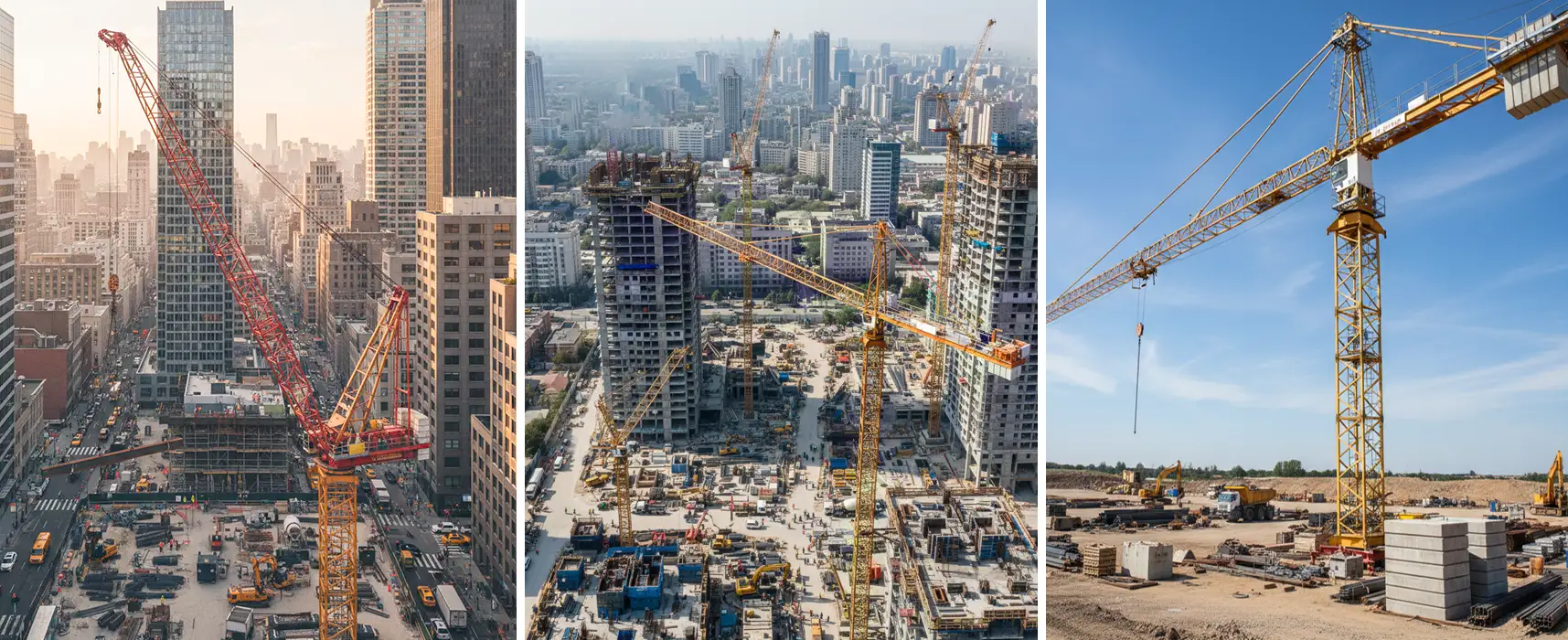
Manufacturing luffing jib cranes for congested urban sites
Supplying and renting hammerhead, flat top, and derrick cranes
Providing installation, commissioning, and technical support
Ensuring spare parts and service availability across project phases
Planning a high-rise or infrastructure project?
Discuss your requirements with our technical team to explore sale and rental options tailored to your site conditions.
1. Is it better to rent or buy a tower crane for EPC projects?
It depends on project duration, capital planning, and site requirements. Short-term or variable projects often benefit from rentals, while long-term projects may justify purchase.
2. What certifications should a tower crane supplier have in India?
EPCs should ensure compliance with applicable Indian Standards, proper installation procedures, and safety systems required for high-rise construction.
3. Can one supplier support multiple crane types on a single project?
Experienced suppliers can provide and support different crane configurations, including luffing, hammerhead, flat top, and derrick cranes, based on site needs.